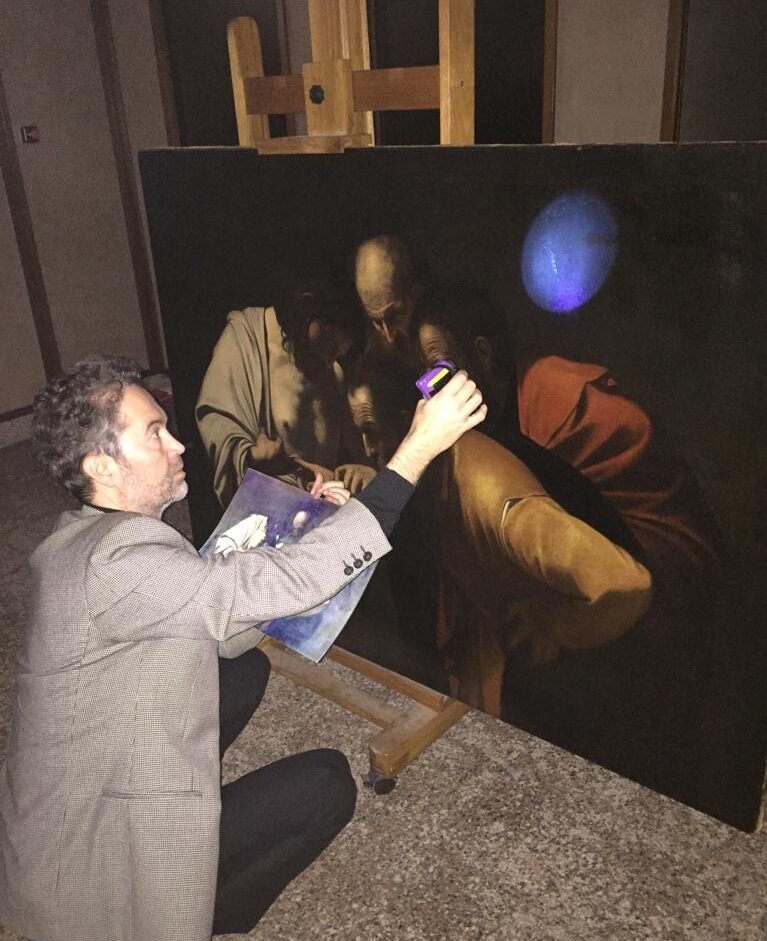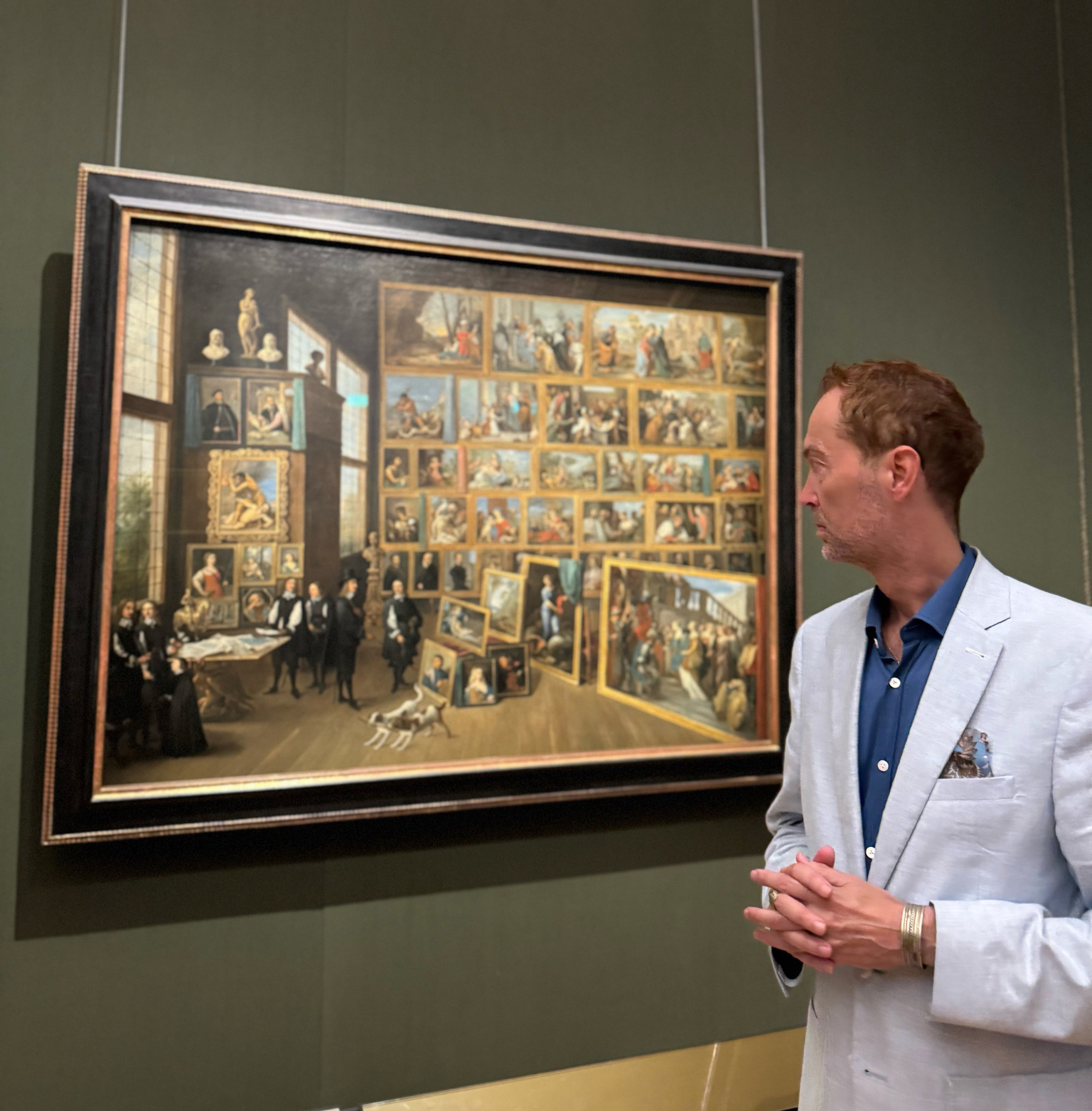
As an art historian, art advisor, and certified art appraiser, I’ve had the incredible opportunity to examine numerous paintings by Caravaggio (1571-1610) and other old masters held in private collections. My passion for this legendary Italian painter goes beyond admiration, as I’ve also conducted valuation reports to assess the worth of these exquisite masterpieces. But the question remains: how can we authenticate a Caravaggio painting?
While I acknowledge that many esteemed specialists in the art field are following my blog, let’s break it down for those who may be less experienced in this area. Here are three key factors to consider when determining the authenticity of a masterpiece by Caravaggio (or other old masters):
Provenance: Investigate the painting’s history and trace its ownership back as far as possible. Authentic Caravaggio paintings tend to have a documented trail of ownership, establishing their legitimacy and connection to the artist.
Style and Technique: Caravaggio had a distinctive style characterized by dramatic lighting, intense contrasts, and a naturalistic approach to his subjects. Familiarize yourself with his artistic techniques and compare them with the artwork in question. Look for signature elements that are consistent with Caravaggio’s unique style.
Expert Opinion: Seek out the insights of renowned art historians, curators, and authenticators who specialize in Caravaggio’s works. These experts have devoted their careers to studying and analyzing his paintings, and their knowledge is invaluable in determining authenticity.
Remember, the process of authenticating artwork, especially that of a master like Caravaggio, requires patience, diligence, and expert guidance. It’s a fascinating journey that allows us to delve deeper into the artistic legacy of one of history’s greatest painters.